
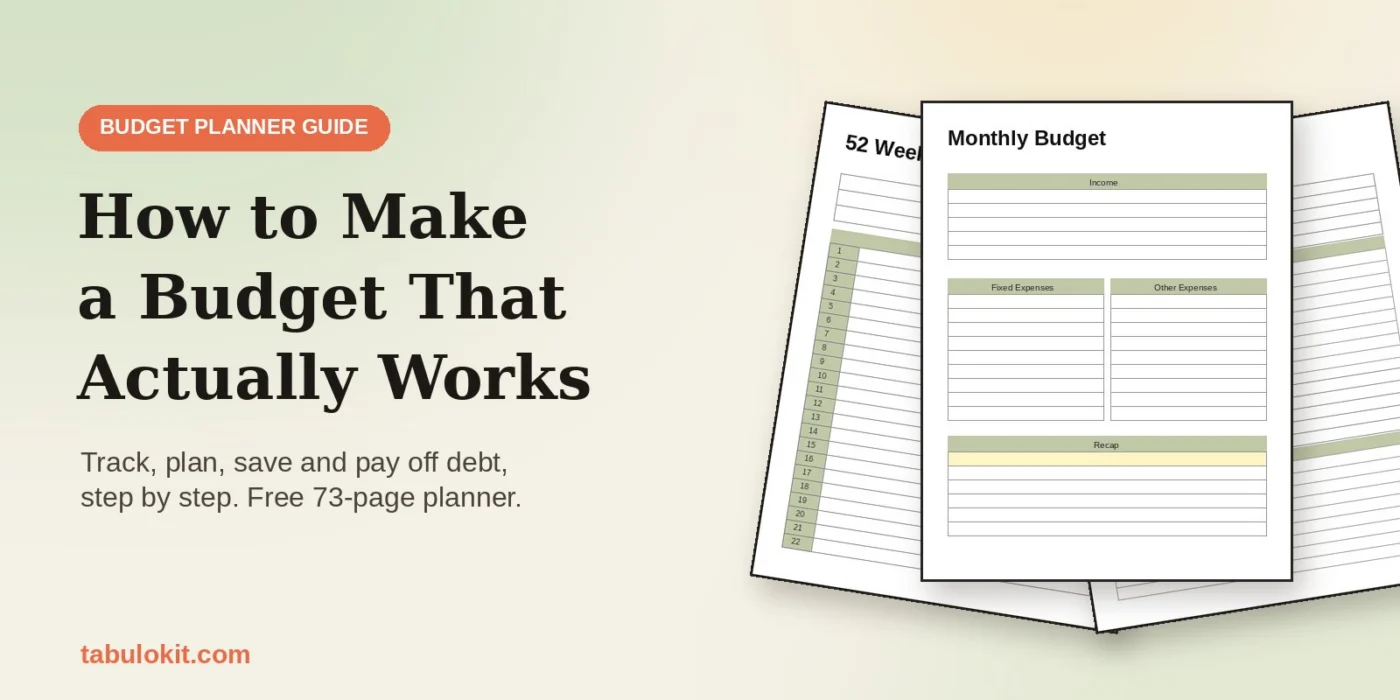
Most people do not have a money problem. They have a visibility problem. Money comes in, bills go out, a few card payments slip through in between, and at the end of the month the balance is lower than expected with no clear idea why. You are far from alone: in a 2023 Harris Poll survey for NerdWallet, 74% of Americans said they have a monthly budget, yet 84% of them admitted they had gone over it at some point. Having a budget is not the same as having one that works.
This guide shows you how to make a budget that survives real life: irregular expenses, surprise bills, a birthday you forgot, a month when your income dips. We will cover the numbers you need to know, the most popular budgeting methods and who each one suits, how to handle savings and debt, and the small monthly routine that keeps everything on track. Along the way you will find ideas from some of the best personal finance books ever written, from Elizabeth Warren’s 50/30/20 rule to Morgan Housel’s thoughts on the psychology of money.
You can follow the whole method with a notebook or a spreadsheet. We will illustrate it with pages from a printable budget planner, and you can download the full 73-page planner for free further down.
A quick note: this article is general education about budgeting, not personalized financial advice. For decisions about investments, taxes or large debts, talk to a qualified professional.
What a budget really is (and why most budgets fail)
A budget is not a punishment or a list of things you are no longer allowed to buy. It is a plan for your money made before the month starts, so that your spending reflects what you actually care about instead of whatever happens to be in front of you. Ramit Sethi, author of I Will Teach You to Be Rich, calls it a conscious spending plan: spend extravagantly on the things you love, and cut costs mercilessly on the things you do not.
Budgets usually fail for predictable reasons:
- They are built on guesses. People write down what they think they spend, not what they really spend. The gap is often hundreds of dollars.
- They ignore irregular expenses. Car repairs, annual subscriptions, holidays and school costs are not surprises; they are expenses that do not arrive every month.
- They are too strict. A budget with zero room for fun lasts about three weeks. Then it gets abandoned completely.
- They are never reviewed. Life changes, prices rise, income moves. A budget set once in January is out of date by March.
- There is no buffer. The Federal Reserve’s 2025 survey of household finances found that 63% of adults would cover an unexpected $400 expense with cash or its equivalent. That also means more than a third could not, and for them one surprise bill can wreck an entire month’s plan.
The method below fixes each of these problems in order: real numbers first, then a method that fits you, then buffers for the irregular and the unexpected, then a simple routine to keep it alive.
Step 1: Take an honest money snapshot
Before you plan where money should go, you need to know where you stand. Set aside one hour and gather four things:
- Your take-home income: what actually lands in your account each month, after tax, from every source (salary, side hustle, benefits, support payments).
- Your accounts: checking, savings, retirement and investment accounts, with their current balances.
- Your debts: credit cards, car loan, student loans, buy-now-pay-later plans, with balance, interest rate and minimum payment.
- Your assets: savings, investments, the value of your car or home.
Subtract everything you owe from everything you own and you get your net worth. It may be negative, and that is fine. It is a starting line, not a grade. Vicki Robin and Joe Dominguez, in the classic Your Money or Your Life, suggest tracking this number over time on a simple chart: watching it move in the right direction is one of the most motivating things in personal finance.
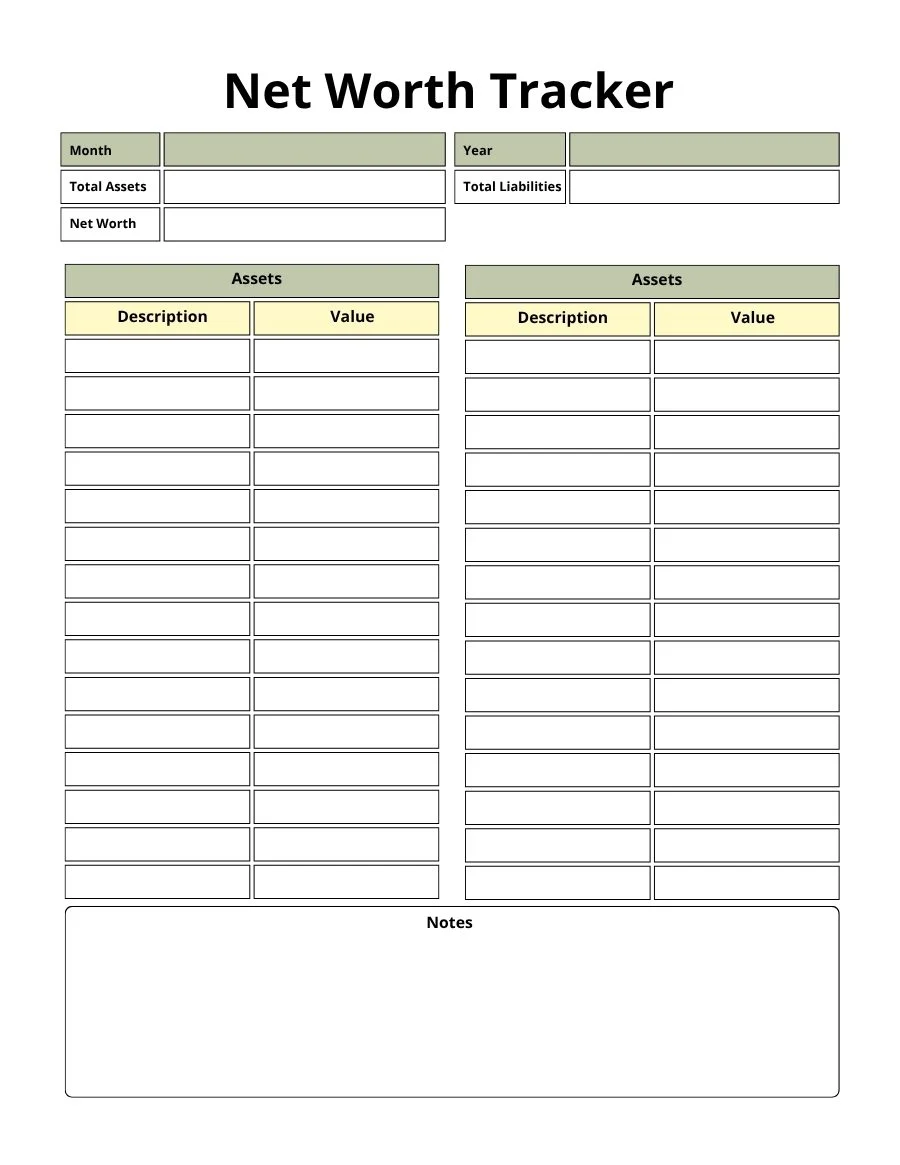
A word on security: write down which accounts and cards exist and where to reach each bank, but never full card numbers, PINs or passwords on paper. Keep those in a password manager. A budget planner should show you the map, not hand the keys to anyone who finds it.
Step 2: Track where your money actually goes
This is the step most people skip, and it is the one that makes everything else accurate. For the next 30 days, write down every expense: the date, what it was, the amount and whether you paid by cash or card. Coffee, parking, app store purchases, the pharmacy, everything.
Why bother when your banking app already shows transactions? Because writing each expense by hand forces a tiny pause, and that pause is where awareness grows. Your Money or Your Life makes tracking every cent the foundation of its whole method, and behavioral economists have long observed that we treat money differently depending on how “visible” it is. Richard Thaler, who later won the Nobel Prize in economics, called this mental accounting: a $5 coffee paid by tap does not feel like $5 until you see it written next to twenty others.
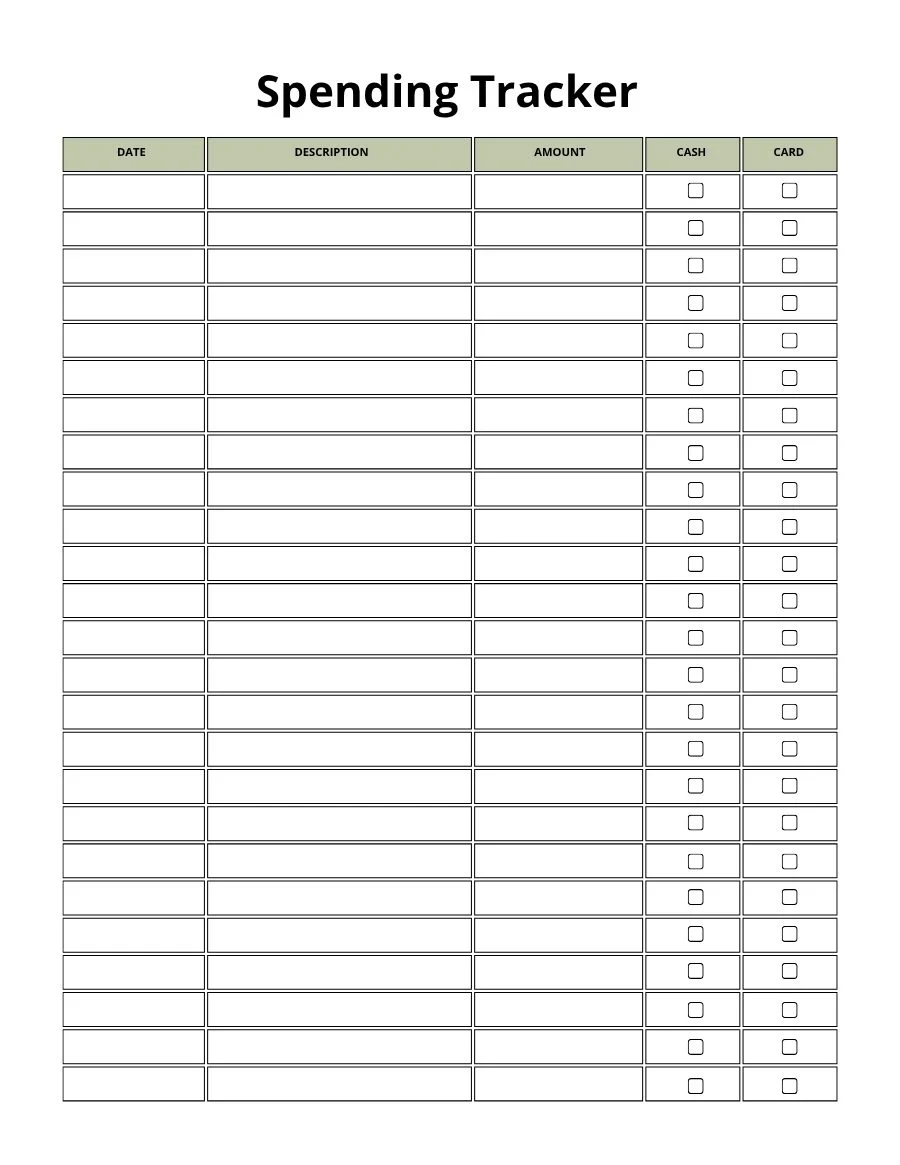
At the end of the month, group your expenses into categories. Keep it simple: housing, utilities, groceries, transport, insurance, debt payments, subscriptions, eating out, shopping, personal care, gifts, fun and “other”. Then ask three questions for each category:
- Was this higher or lower than I expected?
- Did this spending make my life better?
- If I cut it by 20%, would I really notice?
Most people find two or three “leaks” in this exercise: forgotten subscriptions, food delivery that crept up from once a week to four times, small online orders that add up. You do not need to eliminate them. You just need to decide on purpose.
Step 3: Choose a budgeting method that fits you
There is no single best budget. There is the one you will actually keep. Here are the six most popular methods, where they come from and who they suit best.
| Method | How it works | Best for |
|---|---|---|
| 50/30/20 | 50% of take-home pay to needs, 30% to wants, 20% to savings and extra debt payments | Beginners who want a simple rule of thumb |
| Zero-based budget | Every dollar of income gets a job until income minus planned spending equals zero | People who want full control and tight months |
| Pay yourself first | Savings leave your account on payday, before any spending | People who hate tracking details |
| Envelope system | A fixed amount of cash (or a digital envelope) per spending category; when it is empty, you stop | Overspenders in specific categories |
| Conscious spending plan | Fixed costs, investments and savings are set; the rest is guilt-free spending | People who want freedom, not rules |
| Budget vs actual | You plan each category, then compare with what really happened every month | Anyone who wants to improve month after month |
The 50/30/20 rule comes from All Your Worth by Elizabeth Warren and her daughter Amelia Warren Tyagi. Its strength is simplicity: if your needs take more than half of your income, you know exactly where the pressure comes from. The zero-based budget is the heart of Dave Ramsey’s The Total Money Makeover and of the “give every dollar a job” rule in Jesse Mecham’s You Need a Budget. Pay yourself first is almost a century old: George S. Clason’s The Richest Man in Babylon (1926) advised keeping at least a tenth of everything you earn, and David Bach modernized the idea in The Automatic Millionaire by making it automatic.
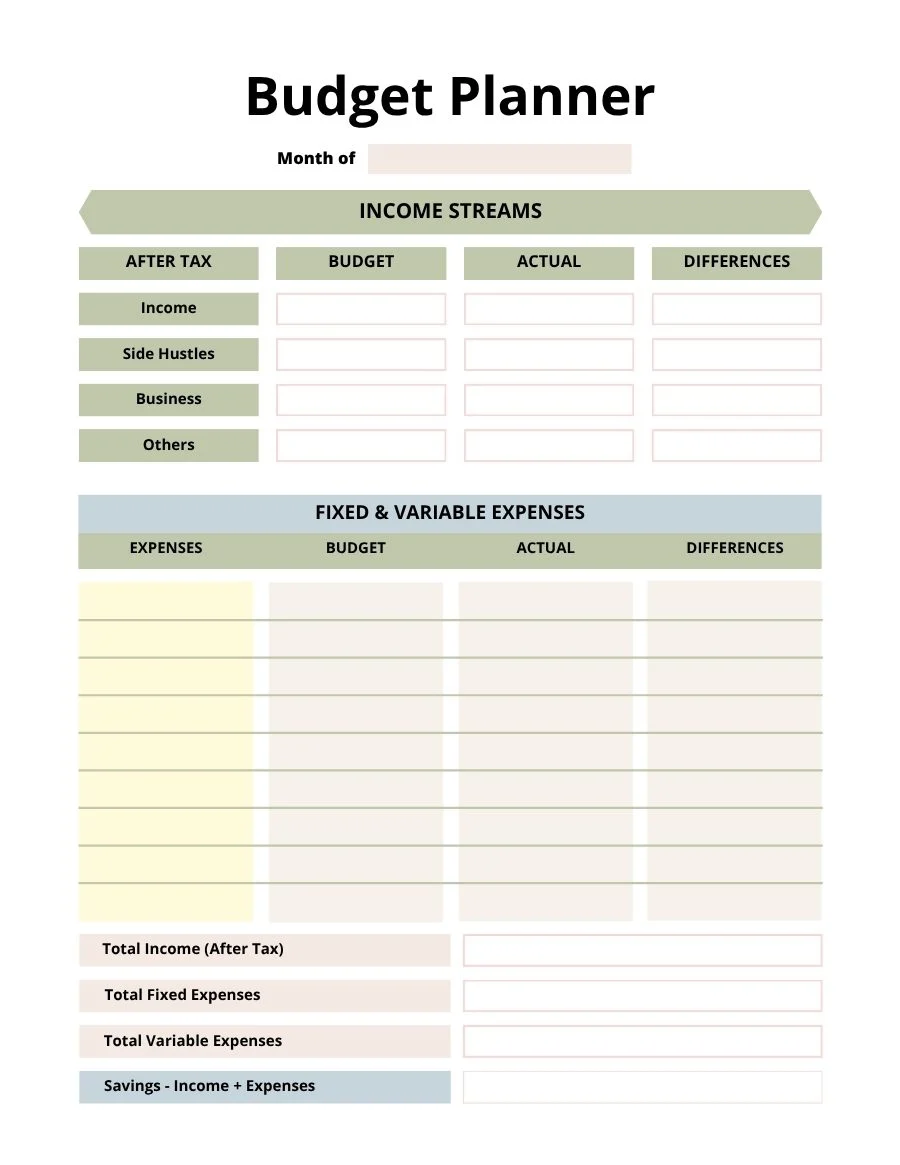
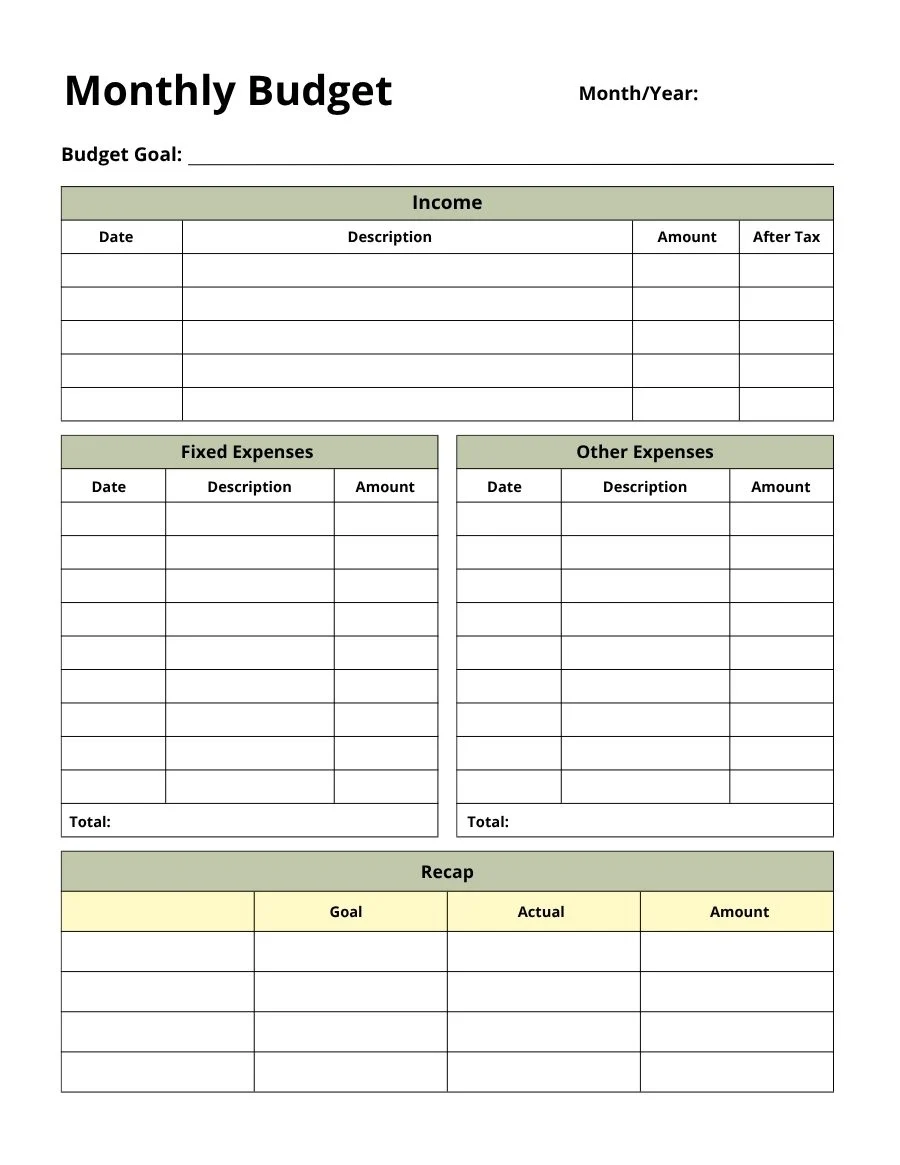
Whichever method you choose, build your monthly budget in this order:
- Income: use your lowest normal month if your income varies.
- Savings and debt goals: decide these first, not with whatever is left.
- Fixed expenses: rent, insurance, loan payments, phone, internet.
- Variable essentials: groceries, fuel, utilities (use your tracking from Step 2).
- Sinking funds: monthly amounts for irregular costs (see Step 5).
- Fun money: a set amount you can spend with zero guilt.
Then, at the end of the month, fill in the actual column and look at the differences. A category that is always over is not a failure of willpower; it is a budget that needs a more realistic number.
Step 4: Put fixed bills and subscriptions on autopilot
Fixed bills are the easiest part of a budget to control, because they barely change. The goal is to make them boring and invisible: always paid on time, never forgotten, never a surprise.
- List every bill with its due date and amount: rent or mortgage, utilities, phone, internet, insurance, loans.
- List every subscription, monthly and annual: streaming, music, cloud storage, apps, gym, software, memberships.
- Automate what you can, ideally a few days after payday so the money is always there.
- Tick each bill as paid every month. It takes seconds and it catches missed or doubled payments.
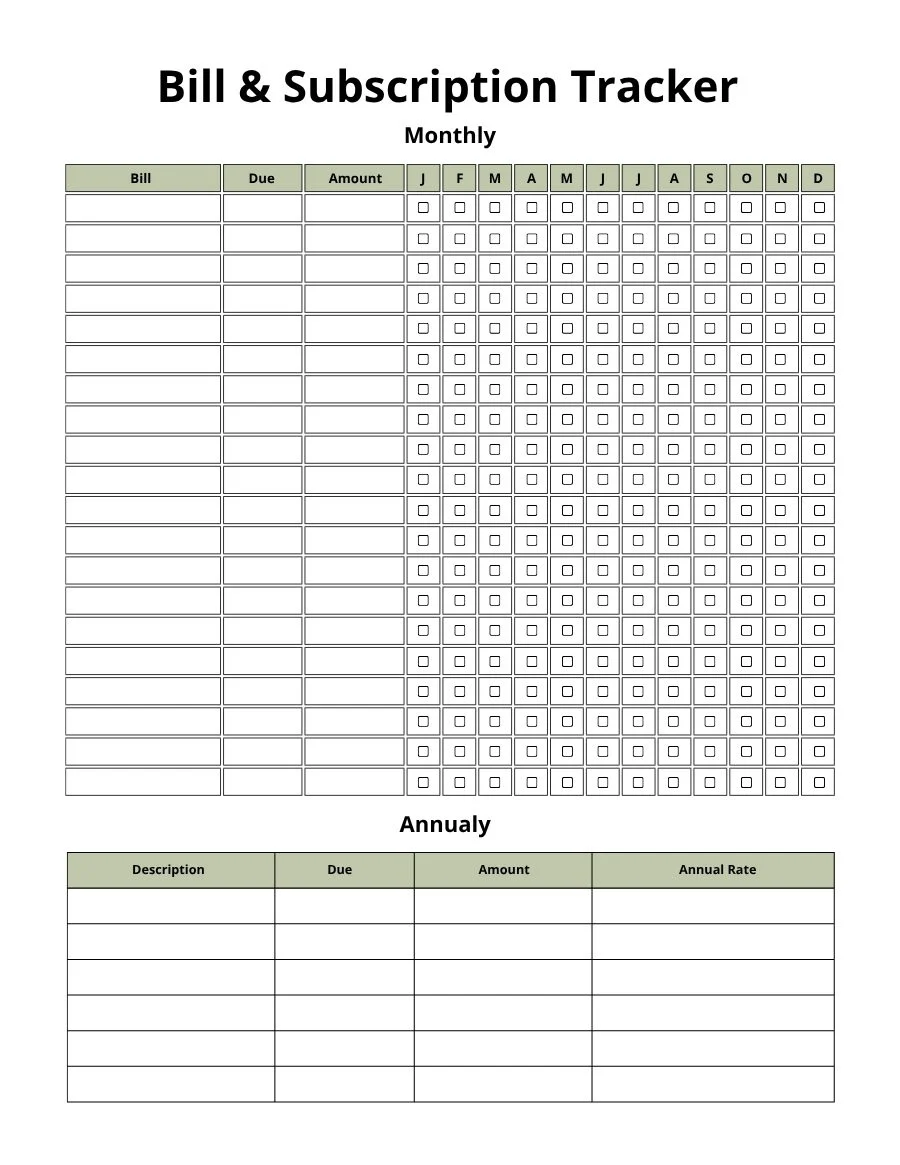
Annual subscriptions deserve special attention because they renew once a year, when you have forgotten them. Write down each renewal date and put a reminder two weeks before. Then ask the same question every year: would I sign up for this today at this price? If not, cancel it. If you tend to forget due dates, our guide to planning with an ADHD planner has a whole section on putting bills and subscriptions on paper so nothing renews by surprise.
- 73 printable pages, US Letter PDF
- Budget, bills, savings, debt & goals
- Instant download, no spam
Get the free 73-page budget planner
Every page from this guide in one printable file: monthly budget, spending and bill trackers, sinking funds, savings challenges, debt payoff, net worth and a full 2027 calendar.
Step 5: Plan for irregular expenses with sinking funds
Car insurance paid twice a year. Back-to-school shopping. Holiday gifts. The annual vet check. New tires. These costs feel like emergencies because they do not appear in a monthly budget, yet almost all of them are predictable. You Need a Budget calls this rule “embrace your true expenses”: turn big, irregular costs into small monthly amounts.
The tool for this is a sinking fund: a savings pot dedicated to one future expense. Here is how to set one up:
- List every irregular expense you expect in the next 12 months, month by month.
- Estimate the cost of each one.
- Divide by the number of months until it is due.
- Set aside that amount every month, in a separate savings account or a clearly labeled envelope.
| Irregular expense | Cost | Due in | Monthly amount |
|---|---|---|---|
| Holiday gifts | $600 | 12 months | $50 |
| Car insurance (6-month premium) | $720 | 6 months | $120 |
| Summer vacation | $1,800 | 9 months | $200 |
| Annual subscriptions | $240 | 12 months | $20 |
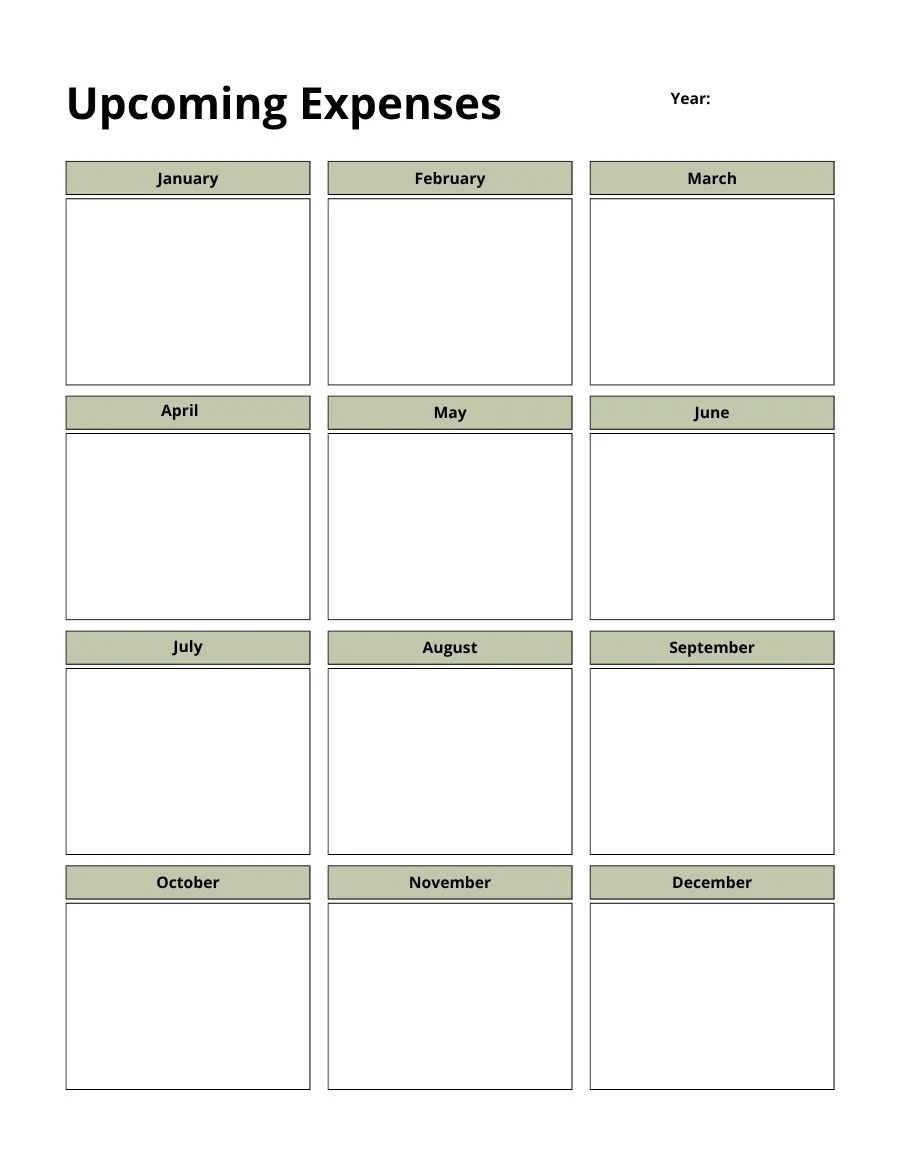
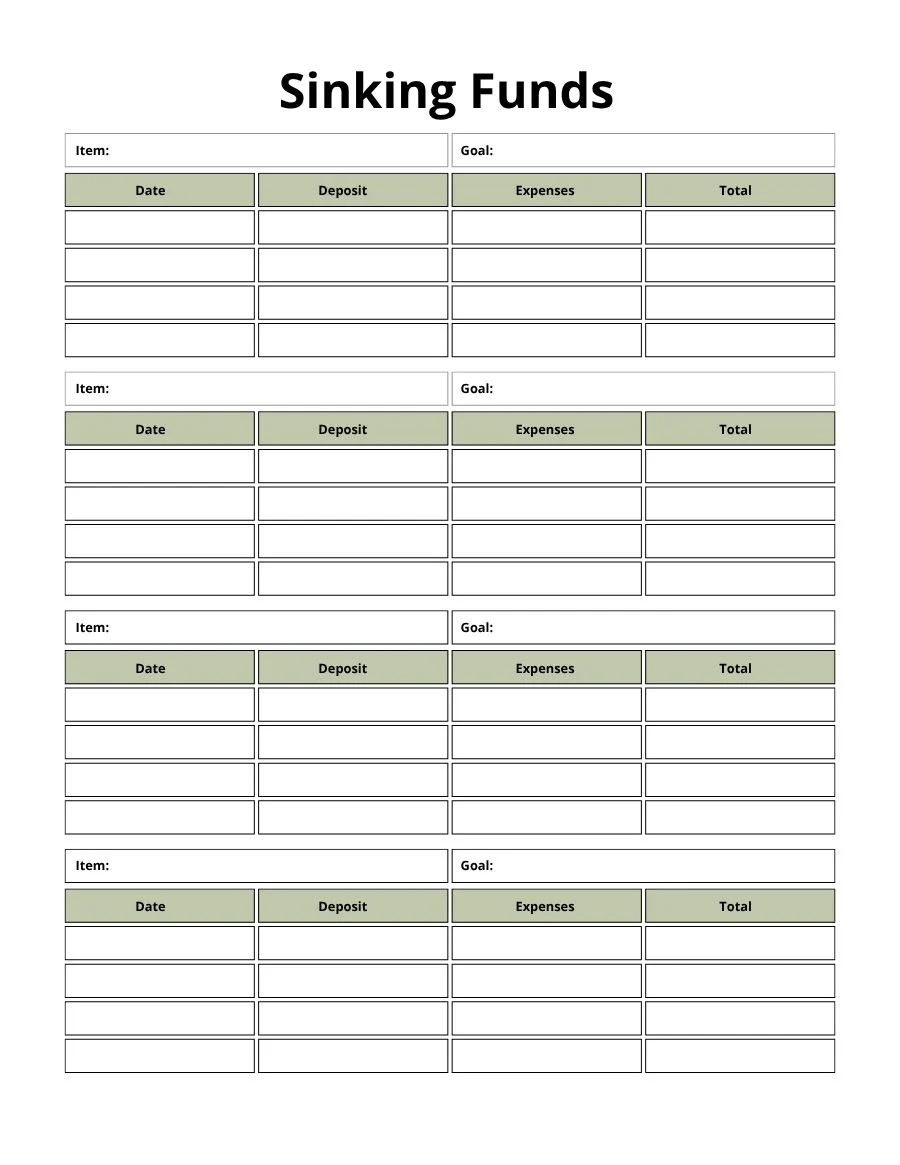
Sinking funds change how a budget feels. When the insurance bill arrives, the money is already there. No panic, no credit card, no “this month is ruined”. It is the single most underrated budgeting habit.
Step 6: Build your savings, starting with an emergency fund
Savings are what give a budget its resilience. According to the Federal Reserve’s report on household well-being in 2025, 55% of adults had an emergency fund covering three months of expenses, down from 59% in 2021. The other 45% are one layoff, illness or car breakdown away from debt.
Build your savings in layers:
- Starter emergency fund: a first cushion of $500 to $1,000 to absorb small shocks without a credit card. Dave Ramsey’s plan starts exactly here.
- Full emergency fund: three to six months of essential expenses, kept in an easy-access savings account.
- Sinking funds for known future costs (Step 5).
- Long-term goals: retirement accounts, a home deposit, education.
The easiest way to save is to remove the decision. Set up an automatic transfer to savings on payday, exactly as David Bach recommends in The Automatic Millionaire. What you never see in your checking account, you do not miss.
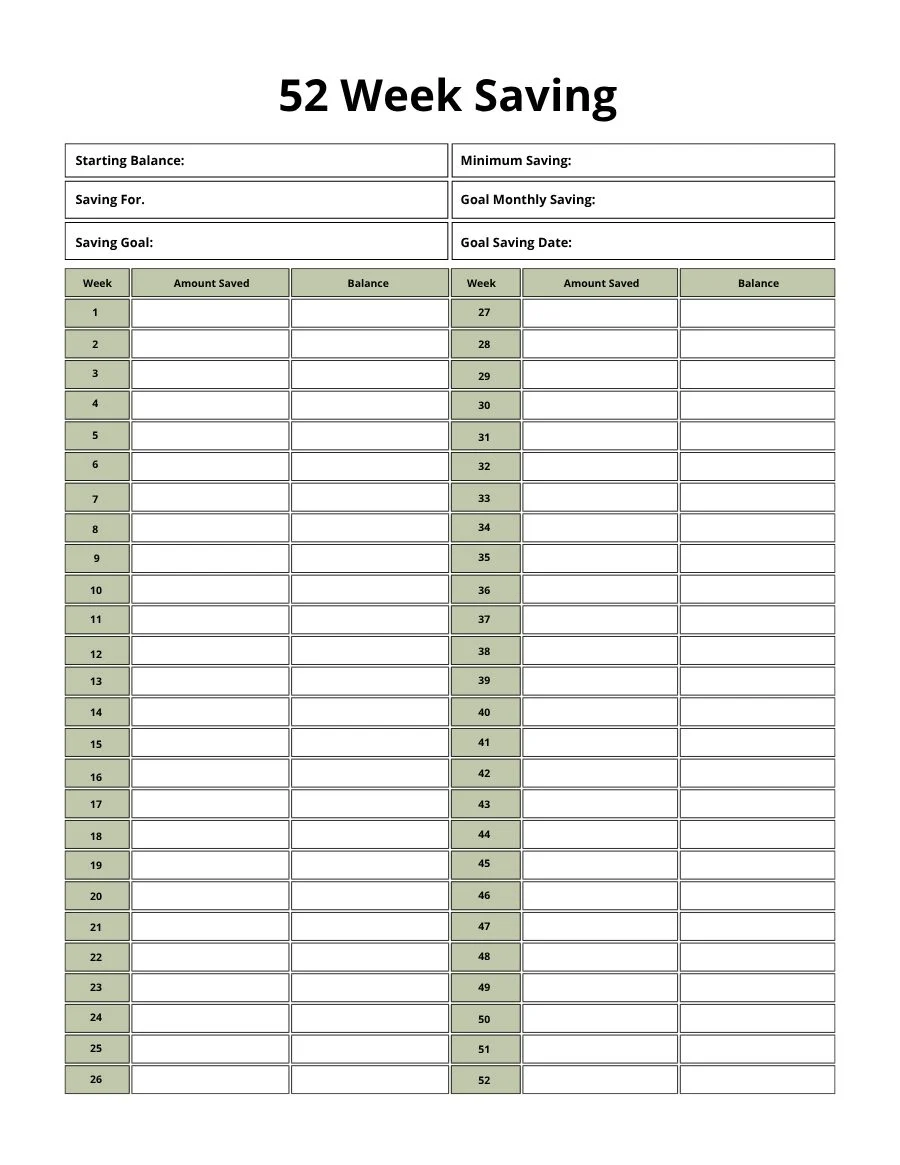
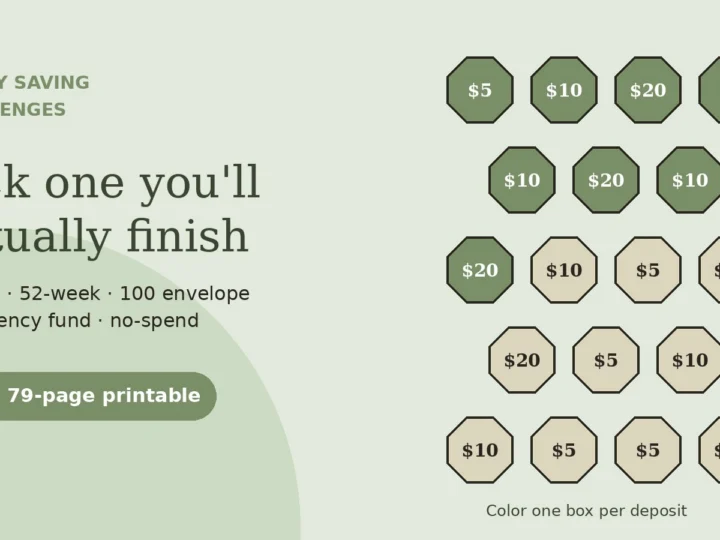
If you like a challenge, try the 52-week saving challenge: save $1 in week 1, $2 in week 2, and so on up to $52 in week 52. By the end of the year you have saved $1,378, a solid starter emergency fund. If the last weeks of the year are expensive for you, run it in reverse and start with $52.
Morgan Housel makes a powerful point in The Psychology of Money: you do not need a specific reason to save. Saving buys room for error, and room for error is what lets you stay calm when life does not go to plan. That calm is worth more than any single purchase.
Prefer to budget on your tablet?The Money section of The Everything Planner 2027 includes a paycheck plan, bills, fixed and variable costs, subscriptions, debt payoff, a savings jar and sinking funds, all one tap away from your calendar.
Step 7: Pay off debt with a clear strategy
High-interest debt is the heaviest weight on most budgets. If you carry credit card balances, a clear payoff plan will free more money each month than almost any other change. First, list all your debts: creditor, balance, interest rate, minimum payment. Keep paying every minimum on time. Then choose where your extra money goes:
- The debt avalanche: put every extra dollar on the debt with the highest interest rate. Mathematically, this saves the most money.
- The debt snowball: put every extra dollar on the smallest balance first, regardless of the rate. When it is gone, roll its payment into the next smallest.
Which one works better? The math favors the avalanche, but people are not spreadsheets. Researchers David Gal and Blakeley McShane at Northwestern University’s Kellogg School of Management studied data from about 6,000 people with multiple credit card debts and found that closing individual accounts, independent of their balance, predicted whether people eventually eliminated their debt entirely. Small victories keep people going. Their findings were published in the Journal of Marketing Research in 2012.
| Debt | Balance | Rate | Snowball order | Avalanche order |
|---|---|---|---|---|
| Store card | $450 | 26% | 1 | 1 |
| Credit card A | $2,300 | 24% | 2 | 2 |
| Car loan | $7,800 | 8% | 4 | 4 |
| Credit card B | $5,100 | 19% | 3 | 3 |
In this example both methods give the same order, which happens more often than you would think. When they disagree, pick the snowball if you need motivation and the avalanche if you are disciplined and the rate gap is large.
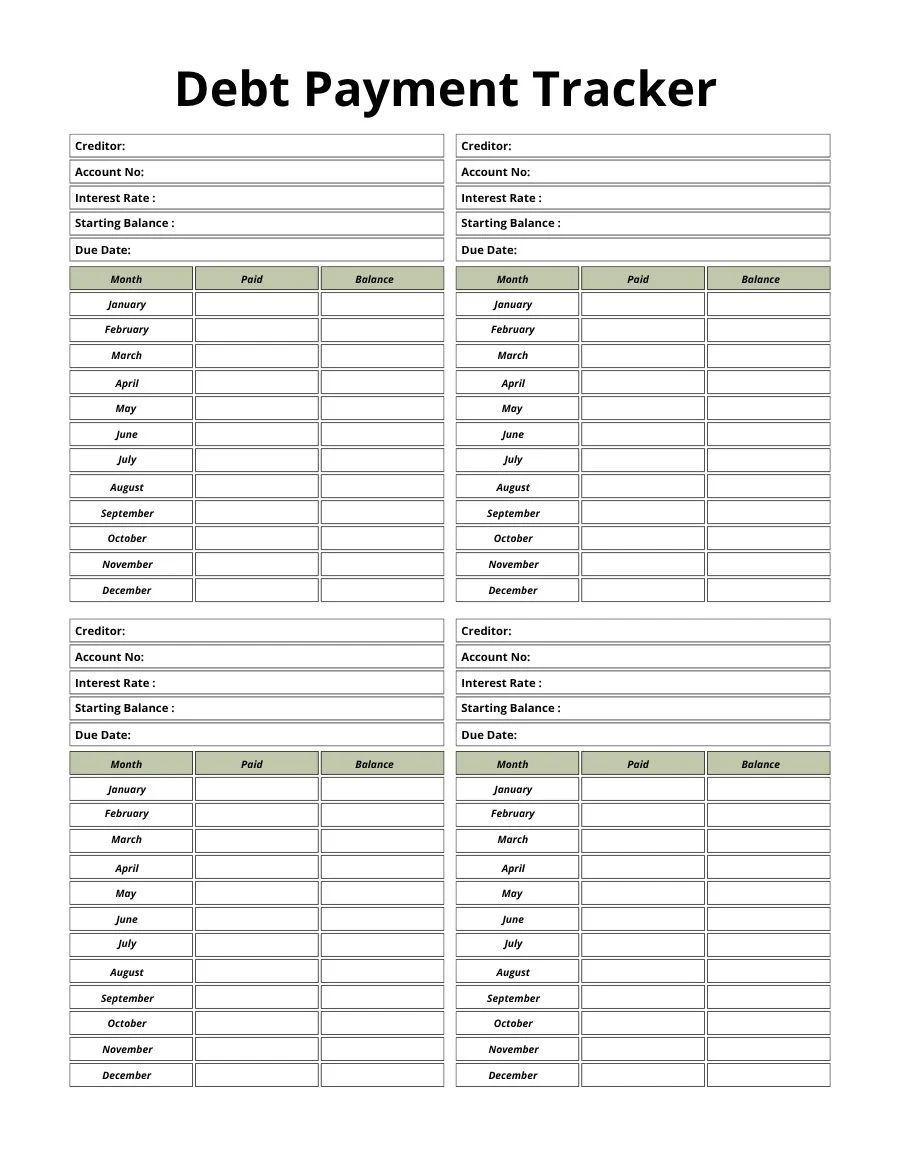
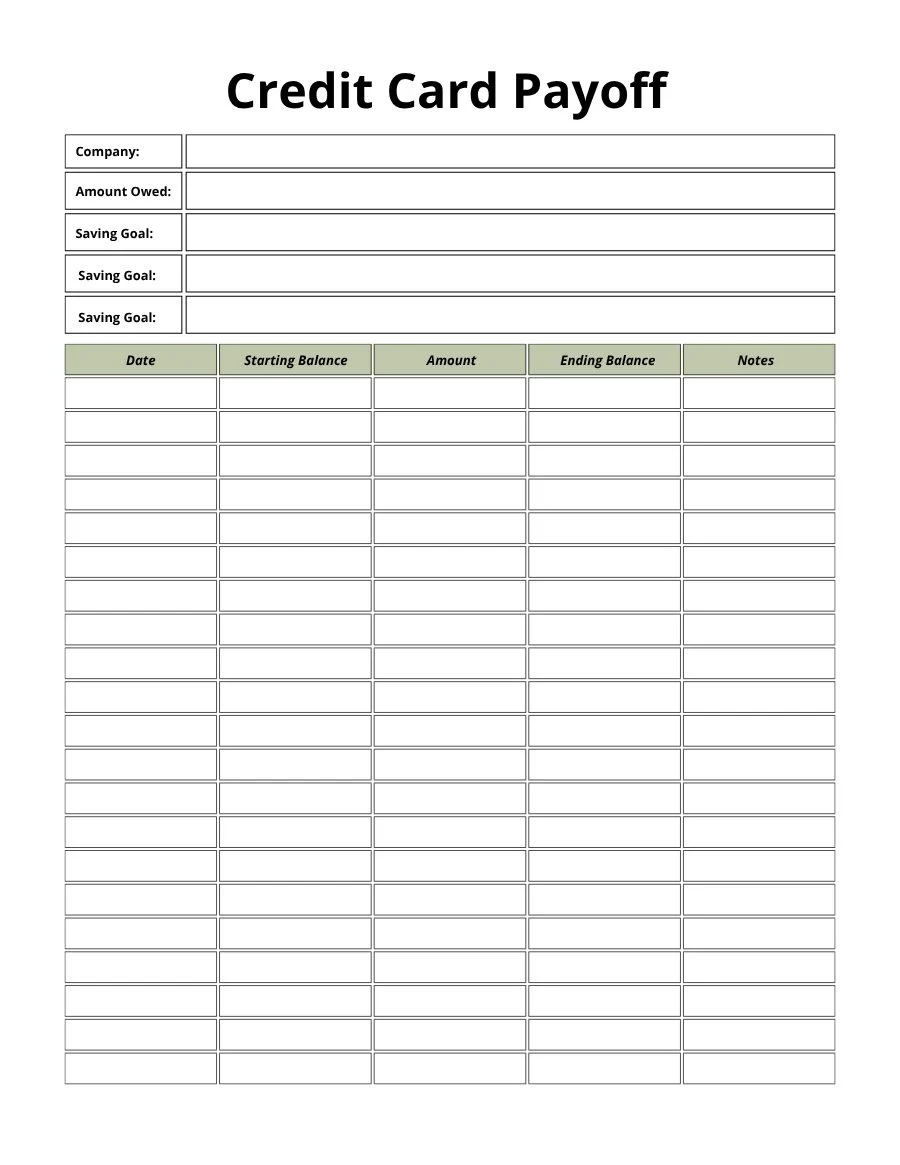
Two extra tips: call your card issuer and ask for a lower rate (it works more often than people expect), and stop adding new debt while you pay off the old. Paying down card balances usually helps your credit score too, because it lowers the share of your available credit you are using.
Step 8: Reset your spending habits with a no-spend challenge
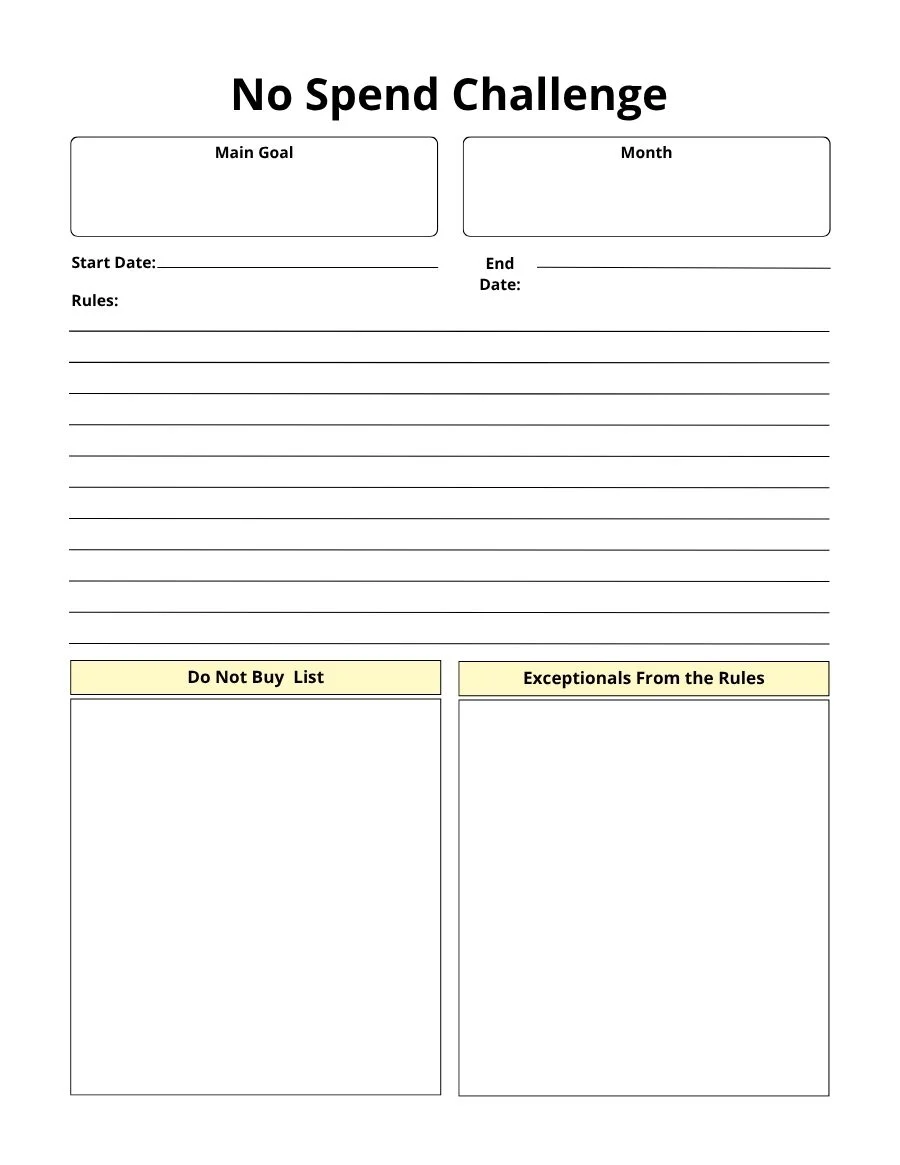
Sometimes a budget needs a jolt. A no-spend challenge is a set period, often a weekend, a week or a whole month, during which you spend money only on essentials you define in advance: rent, bills, groceries, fuel, medication. Everything else waits.
The secret is in the rules. Write them before you start:
- Your main goal: “save $300 for the car fund” is more motivating than “spend less”.
- What counts as essential: be specific (groceries yes, takeout no).
- A do-not-buy list: the categories that usually get you (clothes, gadgets, home decor, delivery apps).
- Exceptions: a friend’s birthday, a planned medical cost. Deciding them in advance prevents “just this once” thinking.
Behavioral science explains why this works. In Nudge, Richard Thaler and Cass Sunstein show how much our choices depend on defaults and the way options are presented. A no-spend challenge temporarily changes your default from “buy” to “wait”. A useful habit to keep afterwards is the 72-hour rule: for any non-essential purchase above a set amount, wait three days. Most of the urges disappear on their own.
Step 9: Zoom out and plan the whole year
A monthly budget tells you whether this month worked. An annual budget tells you whether the year is heading where you want. Once your first few months are in place, set yearly targets for three numbers: total income, total expenses and total savings. Then break them down month by month.
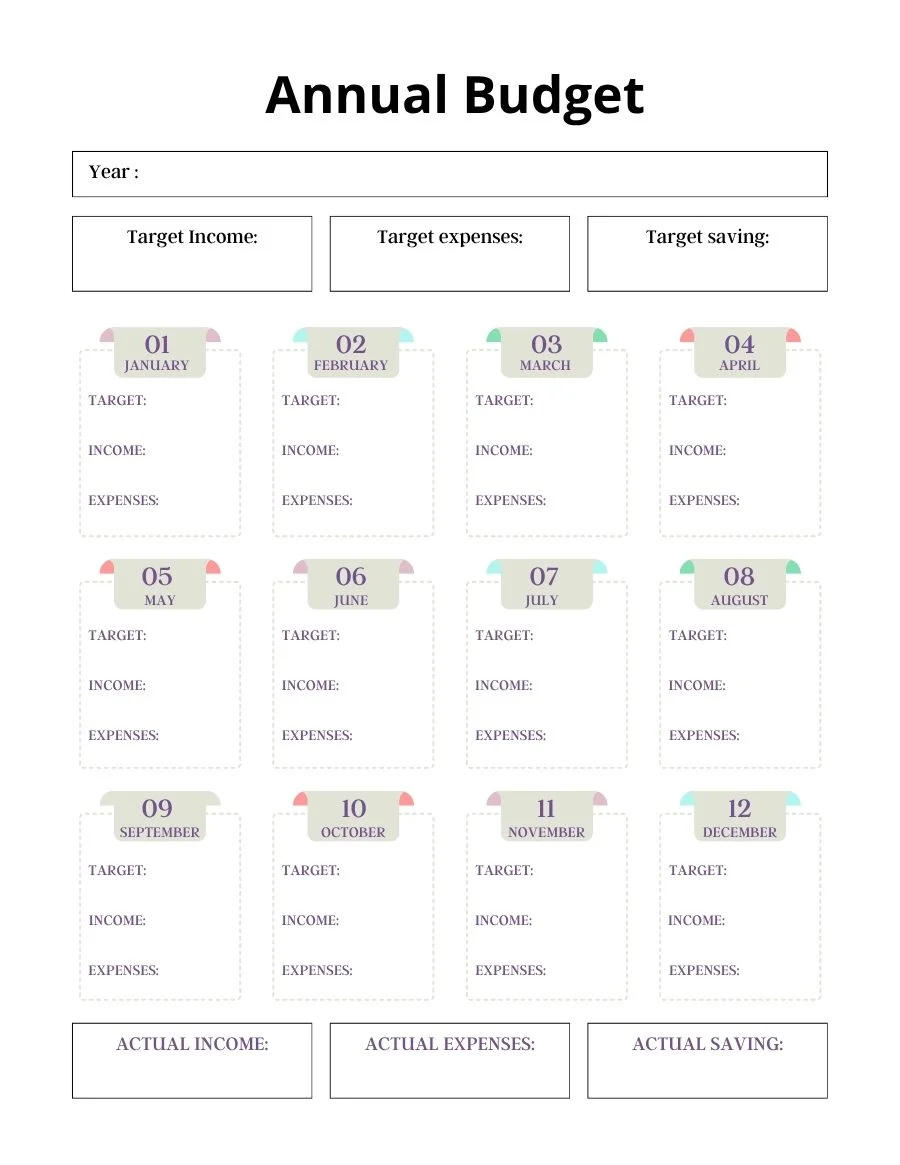
An annual view reveals things a monthly view hides: the expensive months (back to school, holidays, insurance renewals), the months with extra income (a bonus, a tax refund) and the real progress you make. It is also the right place to decide what to do with windfalls. A simple rule many people use is to split any unexpected money between a goal (at least half), a buffer and a small reward.
Step 10: Turn money goals into action plans
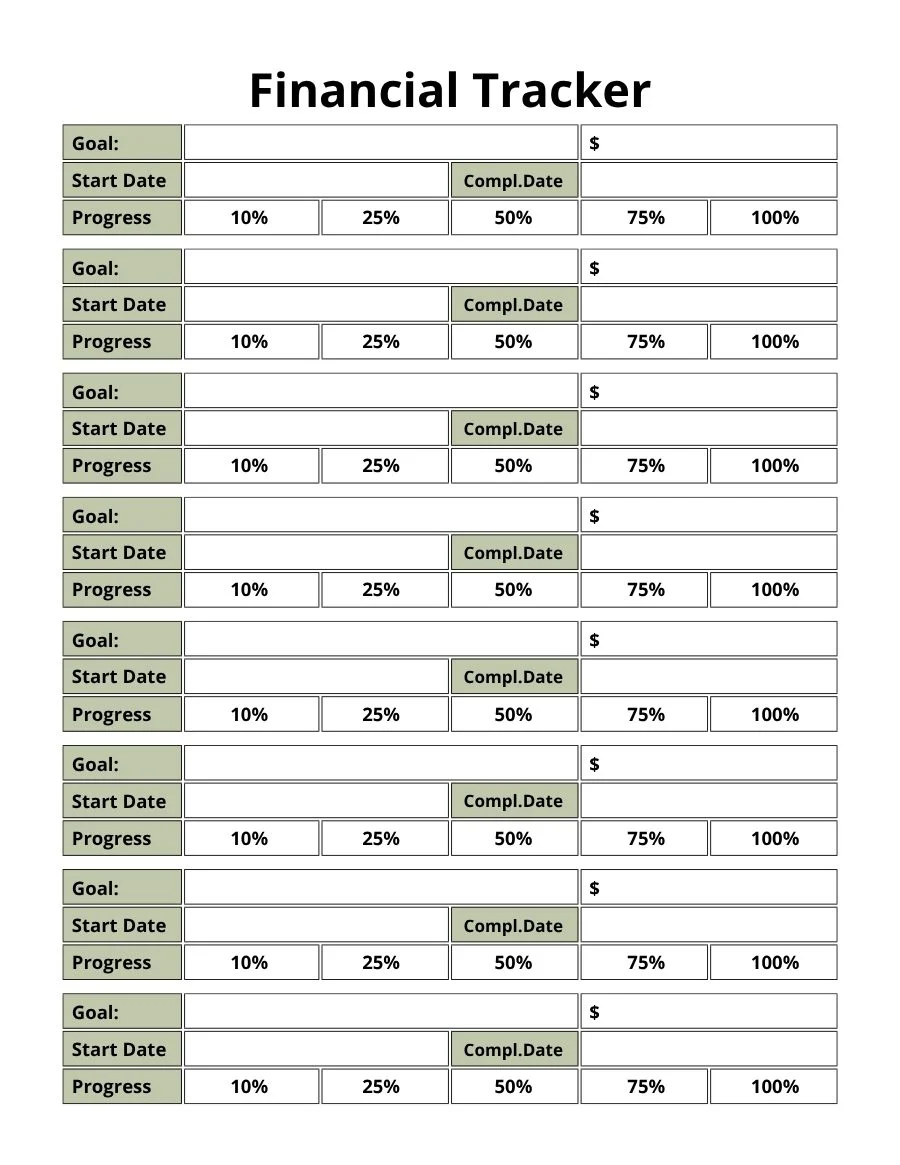
“Save more” is a wish. “Save $3,000 for an emergency fund by December 31 by setting aside $250 per month” is a plan. Good financial goals are specific, measurable and dated, and each one has a first action you can take this week.
For each of your two or three most important money goals, write down:
- The goal and the amount: emergency fund, debt payoff, home deposit, travel.
- The deadline and the monthly amount it requires.
- Action steps: open the savings account, set up the automatic transfer, sell the unused bike.
- Possible obstacles and how you will overcome them: “irregular freelance income” becomes “save a percentage of each invoice instead of a fixed amount”.
- Progress: mark 10%, 25%, 50%, 75% and 100%. Watching the bar fill is surprisingly motivating.
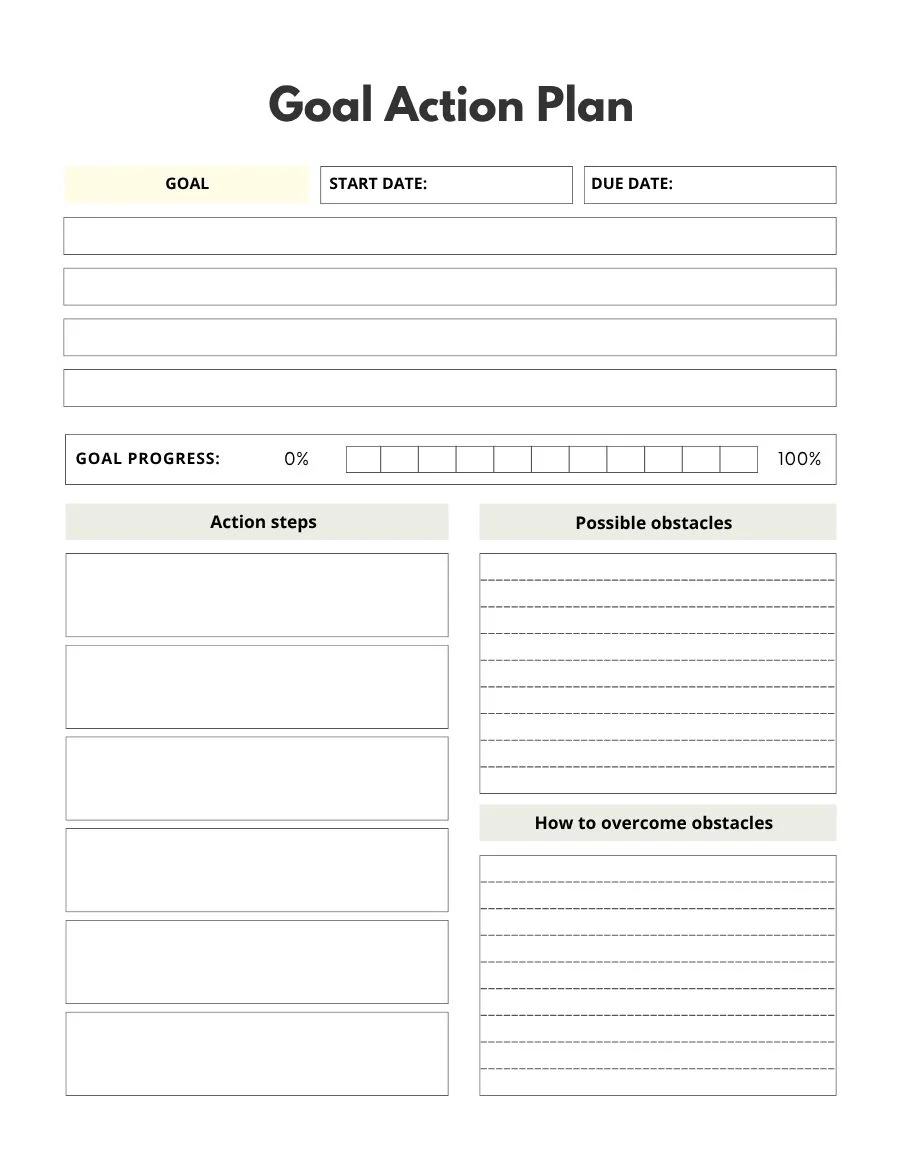
Anticipating obstacles is not pessimism. Psychologists who study goal pursuit have found that people who plan “if this happens, then I will do that” are more likely to follow through than those who only picture success.
Your monthly money date: the routine that keeps a budget alive
The best budget in the world is useless if you look at it once. The habit that makes the difference is a short, regular money date with yourself (or with your partner if you share finances). Here is a simple rhythm:
- Every week (10 minutes): log your expenses, check your spending categories, tick paid bills.
- End of the month (30 minutes): fill in the actual column, compare with your budget, update your sinking funds, debt balances and savings.
- Start of the next month (20 minutes): write next month’s budget using what you just learned, and schedule any irregular expense coming up.
- Every quarter (1 hour): update your net worth, review subscriptions and insurance, and check your goals.
- Once a year: set new annual targets and celebrate what you achieved.
Make it pleasant. Pick a regular slot, make a good coffee, put on music. Couples who budget together often find the money date reduces arguments, because decisions are made calmly in advance instead of at the checkout. If regular routines are hard for you, keep each session short and forgiving, and pair it with the monthly reset from our ADHD planner method: a missed week is never a reason to give up.
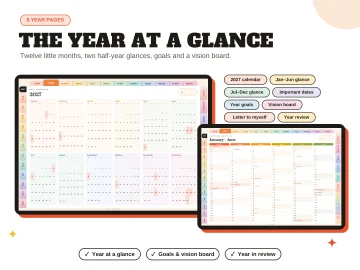
Keep your money and your calendar in one place.The Everything Planner 2027 combines year, month, week and day pages with a full Money section and monthly reviews: 801 hyperlinked pages for GoodNotes, Notability and Android tablets.
7 books that will change how you budget
If you want to go deeper, these books have shaped how millions of people think about money. Each one brings a different idea you can apply to your own budget.
- All Your Worth by Elizabeth Warren and Amelia Warren Tyagi: the origin of the 50/30/20 split. The key idea is to keep your “must-haves” at or below half of your take-home pay, so that one setback does not sink you.
- The Total Money Makeover by Dave Ramsey: a step-by-step plan built on a starter emergency fund, the debt snowball and a zero-based budget. Strict, but very effective for people who need structure.
- You Need a Budget by Jesse Mecham: four simple rules (give every dollar a job, embrace your true expenses, roll with the punches, age your money) that make budgeting flexible instead of rigid.
- The Richest Man in Babylon by George S. Clason: short parables from the 1920s, including the timeless rule to pay yourself first and keep a part of everything you earn.
- The Automatic Millionaire by David Bach: why automating your savings beats relying on willpower, and how small daily expenses add up over a lifetime.
- Your Money or Your Life by Vicki Robin and Joe Dominguez: money seen as “life energy”, the hours of your life you trade for it. Tracking every cent and your net worth becomes a way to spend on what truly matters.
- The Psychology of Money by Morgan Housel: why behavior matters more than intelligence with money, the value of room for error, and the importance of knowing when you have “enough”.
You do not need to read all seven. Pick the one that matches your biggest challenge: structure (Ramsey), flexibility (Mecham), automation (Bach) or mindset (Housel, Robin).
Frequently asked questions
What is the easiest way to make a budget?
Start with the 50/30/20 rule: write down your take-home pay, then check whether your needs fit in 50%, your wants in 30% and your savings and extra debt payments in 20%. Track your spending for one month to see where you really stand, then adjust. Simple and imperfect beats complex and abandoned.
How much should I save each month?
A common target is 20% of take-home pay, as in the 50/30/20 rule. If that is not realistic yet, start with any amount you can automate, even 5%, and increase it by one or two points each time your income rises or a debt is paid off. Build a starter emergency fund first, then aim for three to six months of essential expenses.
Is a paper budget planner better than an app?
Both work. Apps are fast and connect to your bank, but they make it easy to scroll past problems. A paper or printable budget planner forces you to write each number, which many people find makes them more aware of their spending. A common combination is an app or bank export for data and a planner for reflection, goals and monthly reviews.
How do I budget with an irregular income?
Base your budget on your lowest typical month, not your average. In good months, put the extra into a buffer account; in lean months, top up your budget from it. Pay yourself a fixed “salary” from that buffer if you are self-employed, and set aside tax money as a percentage of every payment you receive.
Should I pay off debt or save first?
Most experts suggest doing both in order: first a small starter emergency fund so a surprise does not create new debt, then aggressive payoff of high-interest debt such as credit cards, then a full emergency fund and long-term savings. Always keep paying the minimum on every debt.
How often should I review my budget?
Log expenses weekly, compare budget and actual at the end of each month, and do a deeper review every quarter. Update your budget whenever something changes: a new job, a move, a new baby, a paid-off loan.
A budget is not about restriction. It is about deciding, once a month, what your money should do for you, and then letting it do its job. Start with one honest month of tracking, and download the free printable budget planner to keep everything in one place.

2 comments